

Nauru Citizenship: A Comprehensive Guide
Citizenship is a fundamental aspect of national identity, and Nauru, a small island nation in the Pacific, presents unique opportunities and challenges related to its citizenship policies. The process to acquire Nauru citizenship can be intricate, and this article will explore the eligibility criteria, application procedures, advantages, and other relevant details about obtaining citizenship in Nauru. For more information, you can visit Nauru Citizenship http://naurucitizenship.net/.
Overview of Nauru
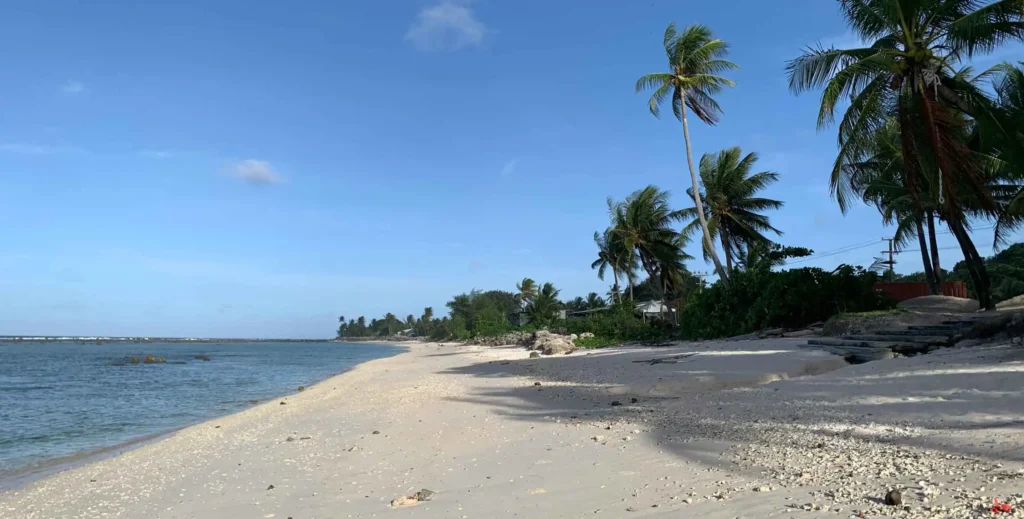
Nauru is the third smallest country in the world, both in area and population. It is located in the Micronesian region of the Pacific Ocean and is known for its phosphate mining, tropical climate, and beautiful beaches. The nation incorporates a unique cultural heritage and has faced significant challenges, particularly related to environmental issues and economic dependencies. As a result, citizenship in Nauru can be appealing for various reasons, including the opportunity to participate in its cultural and economic landscape.
Eligibility Criteria for Nauru Citizenship
To apply for Nauru citizenship, individuals must meet certain eligibility criteria. Generally, these criteria include:
- Residency: Applicants should have a connection to Nauru through residency, work, or marriage. Typically, at least five years of continuous residence is required.
- Age: Applicants must be at least 18 years old.
- Character Requirements: A clean criminal record and evidence of good character are essential elements of the application process.
- Language Proficiency: Proficiency in English, which is one of the official languages of Nauru, may be assessed during the application process.
- Financial Stability: Applicants may be required to demonstrate financial independence or stability, ensuring that they can support themselves and not rely on state resources.
How to Apply for Nauru Citizenship
The application process for Nauru citizenship typically involves several steps:
- Gather Required Documents: Applicants need to compile necessary documents, including identification, proof of residence, financial statements, and language proficiency evidence.
- Complete Application Form: Fill out the official application for Nauru citizenship, ensuring all information is accurate and truthful.
- Submit Application: Applications must be submitted to the Department of Justice and Border Control of Nauru for processing.
- Interview Process: Some applicants may be required to attend an interview to further assess their eligibility.
- Await Decision: The processing time can vary, and applicants should prepare for a waiting period during which their application is reviewed.
Benefits of Nauru Citizenship
Becoming a citizen of Nauru comes with a variety of advantages, including:
- Full Political Rights: Citizens have the right to vote and participate in the democratic process, contributing to the nation’s governance and future direction.
- Access to Employment Opportunities: Citizenship allows individuals to apply for jobs without the restrictions faced by foreigners, particularly in the governmental and public sectors.
- Educational Advantages: Citizens may have access to local educational programs and scholarships that non-citizens may not qualify for.
- Local Benefits: Citizens may benefit from local health care services, social security, and community programs.
Challenges and Considerations
While there are many benefits to gaining Nauru citizenship, potential applicants should also consider challenges, such as:
- Limited Infrastructure: As a small island nation, Nauru may have limited infrastructure, which can affect the quality of life and access to services.
- Economic Vulnerability: Nauru’s economy is heavily reliant on phosphate mining and is subject to fluctuations, which can affect job security and economic stability.
- Environmental Issues: Issues such as climate change and environmental degradation may impact Nauru, posing long-term challenges for residents and citizens alike.
Conclusion
Obtaining citizenship in Nauru offers unique opportunities and connections to a distinct cultural and national identity. While there are specific eligibility criteria and application processes to navigate, the benefits of becoming a citizen can be significant. Understanding the implications of citizenship and considering the potential challenges involved will enhance one’s overall experience in Nauru. As the global landscape continues to evolve, the importance of a detailed understanding of citizenship and its ramifications remains ever-relevant.
